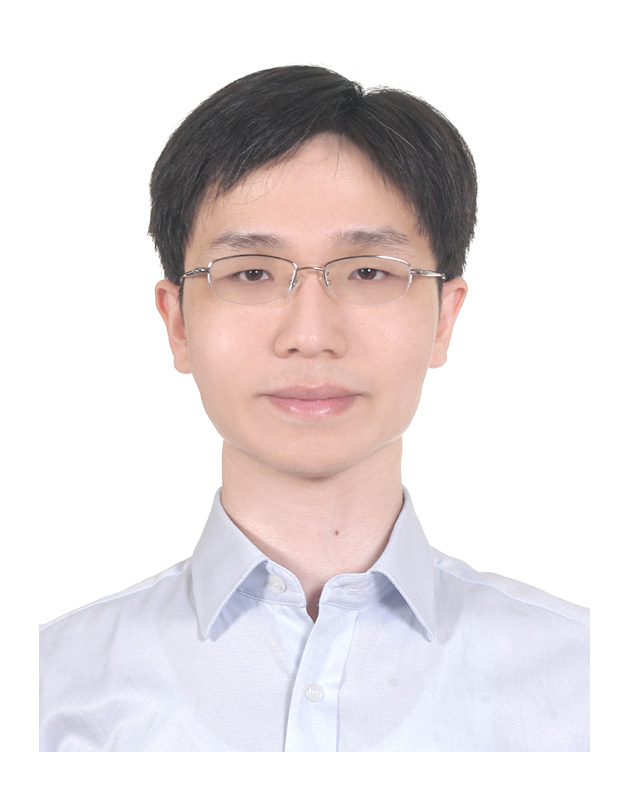
Brief Introduction
Professor Hsu is a Physician-Scientist in the Department of Gastroenterology and Hepatology at Taipei Veterans General Hospital. His clinical practice and translational research primarily focus on liver cirrhosis, portal hypertension, and hepatic encephalopathy. Notably, his pioneering research demonstrating that enhancing meningeal lymphangiogenesis mitigates neuroinflammation and HE—initiated during a 2018 fellowship at Yale University and published in Gastroenterology—earned him the prestigious 2023 Ta-You Wu Memorial Award. His laboratory is currently actively working to translate these findings to human patients. In addition to hepatology, Professor Hsu specializes in pancreatic cancer research, utilizing comprehensive data analysis to optimize clinical treatments that integrate medical oncology with advanced modalities like carbon ion radiation therapy.
Specialty
Liver Cirrhosis, Hepatic Encephalopathy, Portal Hypertension, Pancreatic Cancer.
Education
- Ph.D. (2013 - 2016): Institute of Pharmacology, National Yang-Ming University, Taiwan
- M.D. (1999 - 2006): Taipei Medical University, Taiwan
Experience
- 2025 - Present: Professor, School of Medicine, National Yang Ming Chiao Tung University, Taiwan
- 2015 - Present: Attending physician, Division of Gastroenterology and Hepatology, Taipei Veterans General Hospital, Taiwan
- 2013 - 2015: Attending physician, Division of Medicine, National Yang-Ming University Hospital, Taiwan
- 2008 - 2013: Resident, Department of Medicine, Taipei Veterans General Hospital, Taiwan
Selected Publications
- Hsu SJ, Hsu YC, Yen PL, Lung CF, Li C, Huang HC, Lee YH. Asialoglycoprotein receptor-bound PLGA nanoparticles loaded with Riociguat targetedly ameliorate portal hypertension in liver cirrhosis. Int J Biol Macromol. 2026;360:151957.
- Wong WZ, Chiang NJ, Lee KC, Yu HY, Tsai CJ, Hsu SJ*, Lee PC, Chen MH, Huang HC, Li CP, Luo JC, Lee FY. NALIRIFOX versus liposomal irinotecan plus fluorouracil/leucovorin as the second-line chemotherapy in gemcitabine refractory pancreatic adenocarcinoma: a real-world study. Ther Adv Med Oncol. 2026;18:17588359261431386.
- Su YY, Chiang NJ, Chiu TJ, Huang CJ, Hsu SJ, Lin HC, Yang SH, Yang Y, Chou WC, Chen YY, Bai LY, Li CP, Chen JS. Systemic treatments in pancreatic cancer: Taiwan pancreas society recommendation. Biomed J. 2024;47:100696.
- Huang HC, Tsai MH, Chang CC, Pun CK, Huang YH, Hou MC, Lee FY, Hsu SJ*. Microbiota transplants from feces or gut content attenuated portal hypertension and portosystemic collaterals in cirrhotic rats. Clin Sci (Lond). 2021;135:2709-2728.
- Hsu SJ, Zhang C, Jeong J, Lee SI, McConnell M, Utsumi T, Iwakiri Y. Enhanced meningeal lymphatic drainage ameliorates neuroinflammation and hepatic encephalopathy in cirrhotic rats. Gastroenterology. 2021;160:1315-1329.e13.
- Hsu SJ, Lee FY, Wang SS, Hsin IF, Lin TY, Huang HC, Chang CC, Chuang CL, Ho HL, Lin HC, Lee SD. Caffeine ameliorates hemodynamic derangements and portosystemic collaterals in cirrhotic rats. Hepatology 2015;61:1672-84.
Pancreatic ductal adenocarcinoma (PDAC) remains one of the most lethal malignancies, historically characterized by resistance to conventional therapies and an immunosuppressive microenvironment. However, recent breakthroughs in KRAS-targeted therapies and therapeutic vaccines are rapidly transforming the treatment landscape.
For decades, KRAS—mutated in over 90% of PDAC cases—was deemed “undruggable.” The advent of novel mutation-specific (e.g., G12D, G12C) and pan-KRAS inhibitors has shattered this paradigm. Emerging agents have demonstrated profound clinical efficacy in advanced PDAC, significantly extending survival and offering a highly targeted, tolerable alternative to standard cytotoxic chemotherapy.
In tandem with targeted agents, cancer vaccines are successfully engineering robust anti-tumor immunity. An individualized mRNA neoantigen vaccine has shown the ability to induce de novo, long-lasting T-cell responses and significantly delay recurrence in the adjuvant setting. Concurrently, off-the-shelf platforms have elicited potent KRAS-specific T-cell responses in trials, effectively targeting minimal residual disease.
Beyond KRAS, future treatments will rely on novel vulnerabilities and synergistic combinations. Targeting MTAP loss with PRMT5 and MAT2A inhibitors is a promising strategy, while c-MET targeted therapies are being investigated to overcome resistance. Ultimately, these ongoing advances in precision medicine provide renewed hope for overcoming PDAC.
This presentation will synthesize the latest clinical data on KRAS inhibitors and vaccines, highlighting how these complementary innovations will shape the next generation of precision oncology for PDAC.